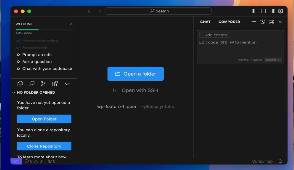






For a long time, artificial intelligence felt like something reserved for research labs or massive tech giants with endless GPU clusters. Today, as developers, we are living through a massive shift in how software gets designed, written, and shipped. AI is no longer just an abstract concept; it has become an interactive pairing partner directly embedded inside our text editors and terminal workflows. It handles the mundane parts of our jobs, like writing boilerplate code, drafting unit tests, and parsing error logs, which frees us up to focus on what actually matters: software architecture, security, and solving core business logic.
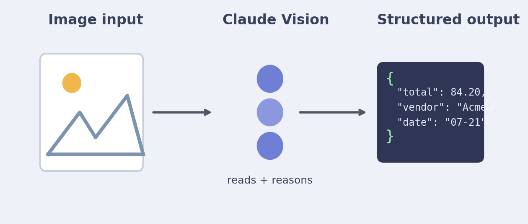
Integrating AI into real-world software stacks goes far beyond simply autocompleting lines of code. Modern software development involves building robust API integrations, organizing context through Retrieval-Augmented Generation, and orchestrating complex chains of tasks. When we design systems around AI APIs, we have to rethink our error-handling and control flows. Traditional code is deterministic, meaning the exact same input always yields the exact same output. AI models, on the other hand, are probabilistic, forcing us to build validation layers, fallback mechanisms, and strict response schema checks around model outputs to ensure system reliability.
The most important lesson any engineer learns when adopting AI tools is that human oversight is non-negotiable. An AI assistant might suggest a clever function, but it can just as easily introduce subtle memory leaks, outdated dependency calls, or security vulnerabilities if left unchecked. We have to treat generated code like a pull request from a junior developer: review it thoroughly, test its assumptions, and refine it to match your team’s coding standards. As a developer, our role is evolving from simply typing syntax into orchestrating intelligent systems, evaluating edge cases, and ensuring that the final build is performant and secure.